
Understanding the psychological triggers that drive gambling behavior in casinos
The allure of chance and reward
The fundamental appeal of gambling lies in its ability to invoke the thrill of chance and the allure of potential rewards. Casinos are designed to create an environment where players can experience the excitement of taking risks. This sensation is tied to the brain’s reward system, which releases dopamine—a neurotransmitter associated with pleasure—when players win. Each small victory can fuel a desire for more, leading to a cycle of gambling behavior fueled by the pursuit of the next big win. Many players seek the best australian online casino to enhance their experience in this thrilling atmosphere.
The role of social interactions
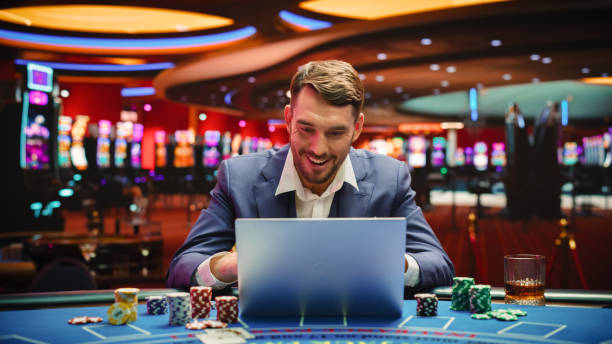
Casinos are social hubs where players interact with others, creating a communal atmosphere that can enhance the gambling experience. This social aspect is a significant psychological trigger, as engaging with fellow gamblers can lead to a sense of belonging and shared excitement. Whether it’s the cheers from nearby players or the camaraderie among friends, these interactions can amplify the thrill of the game and make losing feel less significant.
Additionally, the presence of others can contribute to a phenomenon known as social proof, where individuals may feel compelled to participate in gambling behavior simply because they see others enjoying it. This can create an environment where gambling feels normalized, further driving the urge to partake, even in the face of potential financial losses.
The impact of sensory stimulation
Casinos are meticulously designed to engage the senses, using lights, sounds, and even scents to create an immersive experience. Bright lights and engaging sounds from slot machines trigger excitement and attract players, stimulating their senses and reinforcing the desire to gamble. This sensory overload can cloud judgment and lead individuals to spend more time and money than they initially intended.
Moreover, the strategic placement of games and the layout of casinos play a crucial role in guiding player behavior. By keeping players within sight of enticing games, casinos can enhance the likelihood of continued play, maximizing their chances of financial gain. This manipulation of the environment leverages psychological triggers that encourage prolonged gambling behavior, making it challenging for individuals to walk away.
The influence of loss aversion
Loss aversion is a powerful psychological principle that can significantly impact gambling behavior. Players often experience a stronger emotional response to losses compared to the satisfaction gained from wins. This means that individuals might continue to gamble in an attempt to recover their losses, leading to a cycle of chasing losses that can be difficult to break. Casinos exploit this tendency, knowing that players will often gamble longer to regain what they have lost, creating an emotional and financial rollercoaster.
This psychological trigger can also lead to a distorted perception of winning. Players may convince themselves that a big win is just around the corner, allowing them to justify further gambling. This mindset can perpetuate risky behavior and draw individuals deeper into the gambling cycle, as the emotional weight of loss becomes a motivating factor to keep playing.

Enhancing your understanding of gambling psychology
To navigate the complexities of gambling behavior, it is essential to understand the psychological triggers at play. Recognizing how factors such as chance, social interactions, sensory stimulation, and loss aversion influence decision-making can empower individuals to make more informed choices. By being aware of these triggers, players can approach gambling with a clearer mindset, reducing the potential for harmful behavior.
Ultimately, informed players can enjoy gambling as a form of entertainment rather than a financial strategy. By understanding the psychological dynamics of casinos, individuals can set boundaries and manage their gambling habits effectively, ensuring a safer and more enjoyable experience.